
Introduction
The project aims to restore River Nilwala by building a collaborative
stakeholder network that ensures long-term sustainability.
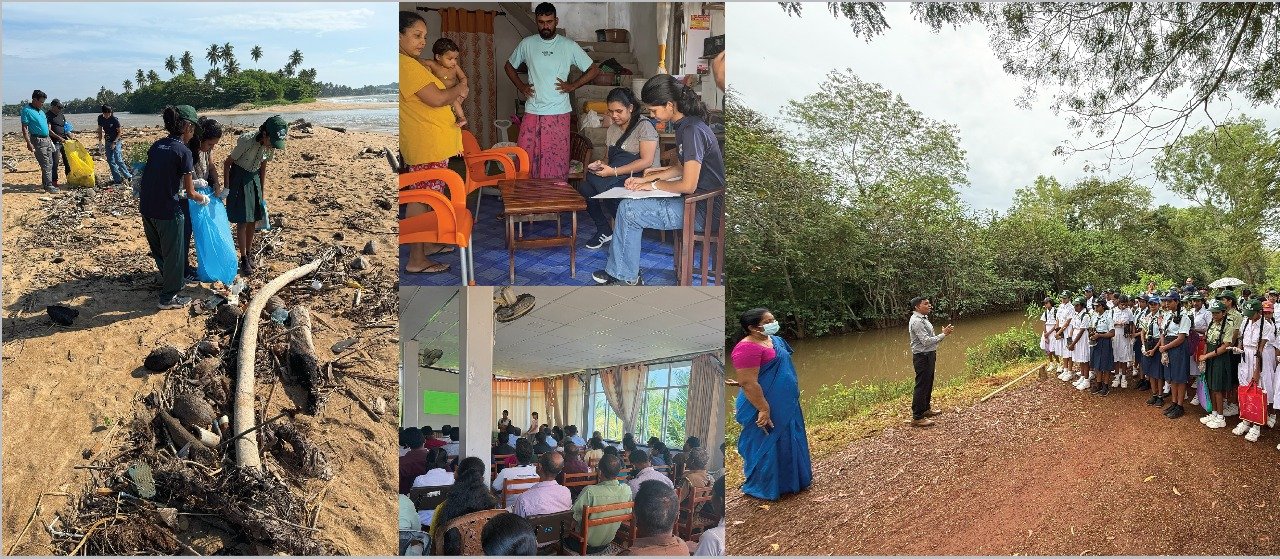
This three-month project (Jan–March 2025) aims to reduce waste and water pollution, mitigate flood risks, improve biodiversity, and engage diverse stakeholders. A team of four members will work directly with riverbank residents, local farmers, and biodiversity while indirectly benefiting local businesses, future generations, and environmental groups.
Action
The project has successfully fostered community ownership through the empowerment of residents as River Ambassadors and the establishment of a Local River Committee to oversee post-project activities. Ongoing stakeholder engagement has been maintained through regular meetings, ensuring continued collaboration. Eco-tourism has been strategically utilized as a sustainable funding source for river clean-up and maintenance efforts. Environmental initiatives, such as tree planting, have been implemented to stabilize riverbanks, reduce erosion, and enhance biodiversity. Additionally, waste management practices have contributed to improved water quality.
Project Objective
• Reducing waste and water pollution
• Involves diverse stakeholders
• Mitigating flood risks
• Emproving biodiversity.
Impact and Results
The economic and social impacts have been significant, with eco-tourism funding supporting project activities and healthier water
systems benefiting both agriculture and local livelihoods.
Community-led water quality monitoring has been established, ensuring long-term monitoring and reporting. The progress of the project has been regularly shared through social media platforms and public dashboards, keeping all stakeholders informed of ongoing efforts and outcomes.


