
Introduction
The Rampart Wetland Park in the ancient archaeological city of Sri Jayewardenepura Kotte is home to the EcoLegacy project, an effort to preserve Sri Lankan wetland butterflies impacted by climate change. In order to support long-term environmental health and climate resilience, the project intends to transform the wetland back into a healthy, climate-resilient ecosystem that boosts biodiversity, promotes water quality, and involves the community.
Action
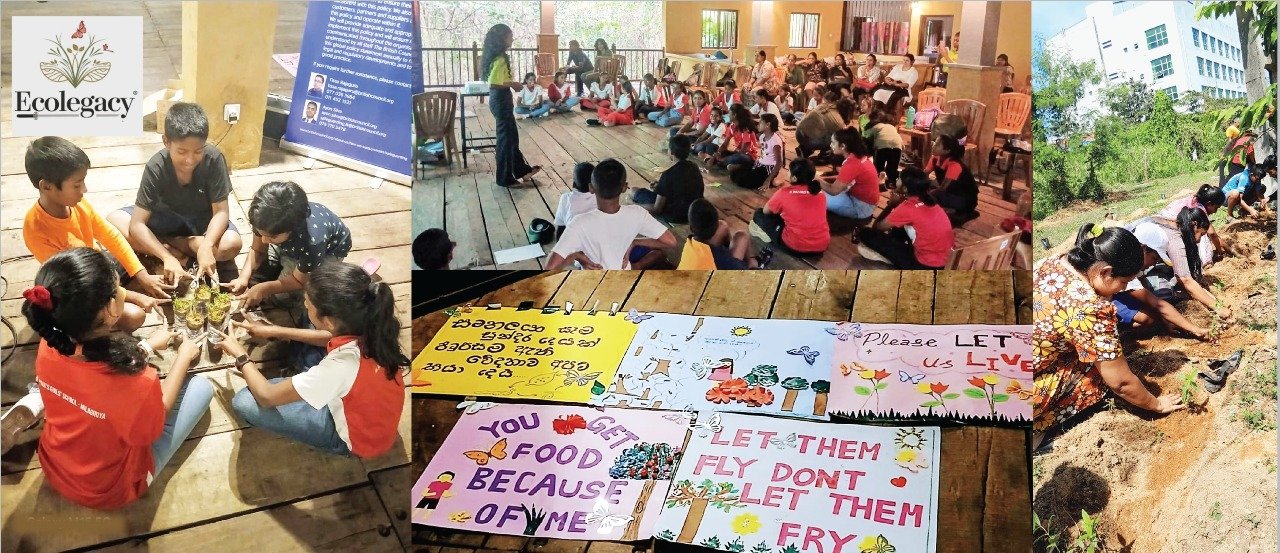
• In order to draw butterflies and other pollinators, the Roots for Wings
Planting Campaign & Workshop got the community involved in planting native plants. Participants received education on climate action, sustainable planting, and wetland conservation.
• Webinar for Wetlands 360: featured talks by experts on pollinator
roles, sustainable conservation tactics, and the ecological
importance of wetlands.
• Stories from the Wings Interactive Workshop: offered hands-on instruction in ecological restoration, trash minimisation, and wetland care to preserve butterfly habitats and promote biodiversity
Project Objective
• The “Root for Wings” initiative, led by the Eco Legacy team, focused on restoring Rampart Wetland Park into a sustainable, climate-resilient ecosystem. The project emphasized enhancing biodiversity, improving water quality, and promoting community engagement. By establishing a butterfly habitat, the initiative supported local ecosystems and advanced natural pollination processes. It also served as an educational platform to raise awareness about biodiversity conservation and climate resilience, fostering environmental stewardship through active community participation. These efforts contributed to long-term ecological health, climate adaptation, and sustainable conservation.
• Enhancing Biodiversity and Improving Environmental Education
• Fostering Community Engagement
Impact and Results
• Established a butterfly pilot garden with native plants, enhancing biodiversity and creating a sustainable habitat for local butterfly species.
• Promoted active community involvement in maintaining the park and fostering environmental awareness.
• Restored park infrastructure, including research units and study areas, providing educational spaces for future environmental studies.
• Created informational signage and resources within the park to


