
Introduction
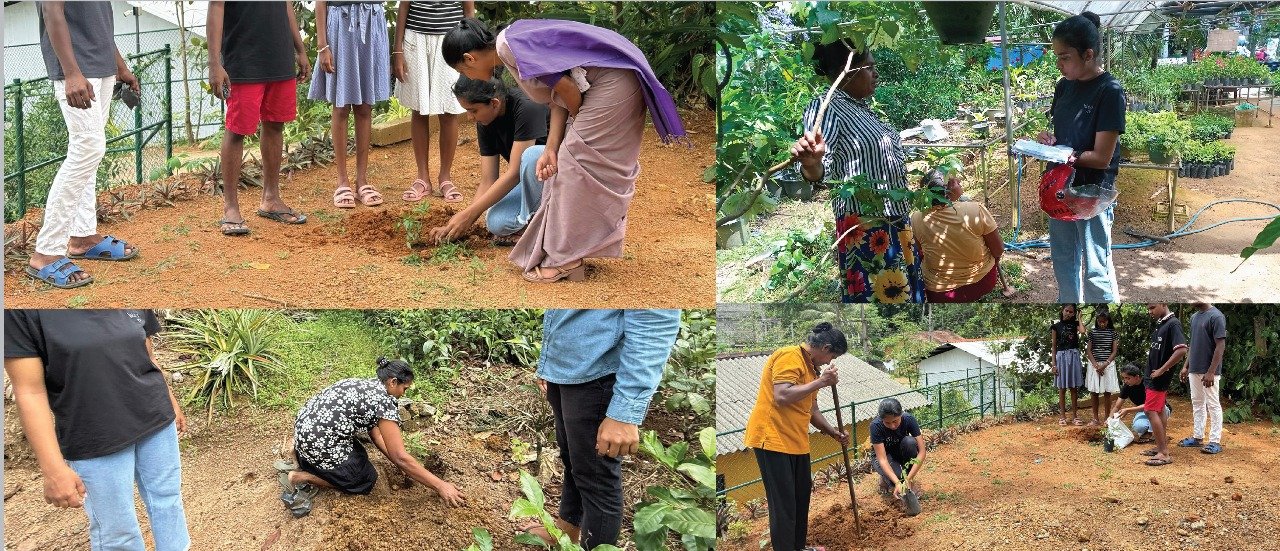
This ongoing project promotes environmental awareness through tree planting, identifying valuable flora, and highlighting the link between nature and human well-being. Participants learn to recognize medicinal, endangered, and economically significant plants, supporting traditional medicine and sustainable practices. The initiative also emphasizes environmental protection measures to create a greener future. As a result, ten local families near the wetland benefited from a cleaner environment, while the project laid the foundation for continued conservation, fostering local involvement and increasing community awareness.
Action
The project focused on mapping and listing valuable plants, including endangered, medicinal, and economically significant species, while preparing a tree inventory. Tree planting events were organized to restore local habitats and ecosystems. Workshops and educational campaigns educated communities on conservation, plant identification, and sustainability. Community engagement activities encouraged local participation through educational programs and tree planting. Regular assessment and reporting ensured tracking of progress, habitat restoration, and the initiative’s impact on families and biodiversity conservation
Project Objective
• Promote Environmental Education and Awareness
– Raise awareness about the importance of biodiversity conservation, plant identification, and the interconnection between human activities and environmental health.
• Restore and Protect Natural Habitats
-Replant trees and implement conservation efforts to restore wetlands and other local ecosystems, ensuring long-term sustainability and improved environmental conditions.
• Encourage Sustainable Practices and Community Engagement
-Empower local communities to adopt sustainable environmental practices and actively participate in conservation activities, including protecting endangered species and supporting traditional medicine
Impact and Results
• By safeguarding a fragile forest reserve, the project improves the conservation of local wildlife.
• It ensures awareness and stewardship by facilitating the transmission of ecological knowledge from elders to younger generations.
• A sense of environmental responsibility and community ties are strengthened by this generational exchange.
• Some of the trees aid the community socially and economically in addition to their ecological roles. For instance, trees at the Athkandura special needs elders’ centre provide a calm environment and food, enhancing wellbeing.


